


xxph | The Intricate World of Strategy Games: Beyond Just Play
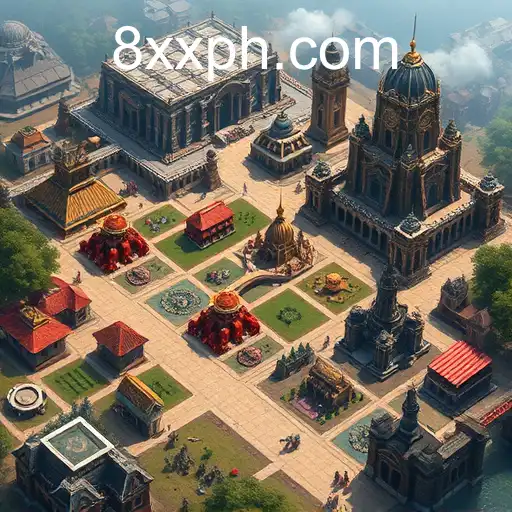
In the diverse world of online gaming, few categories challenge the intellect and strategic acumen of players quite like 'Strategy Games.' Accessible on numerous platforms, strategy games demand more than just quick reflexes; they require paradigm-shifting thought processes and meticulous planning. Whether it's building civilizations, commanding armies, or orchestrating epic campaigns, strategy games engage players in complex decision-making that mirrors real-world scenarios.
A robust strategy game tests the participant’s ability to foresee their opponent's moves, anticipate challenges, and manipulate resources as efficiently as possible. This unique form of gaming is steeped in a rich history that can trace its roots back to traditional tabletop games and even military simulations designed for training purposes. Modern digital adaptations have expanded these timeless concepts into stunning interactive experiences.
The category, enhanced by the keyword "xxph," potentially represents a specific niche or an emerging trend within the sphere of strategy games. This could involve unique gameplay mechanics or thematic elements that differentiate it from more conventional strategy titles. Such innovations might include new game engines that allow for heightened AI involvement, or creative battle mechanics that offer unprecedented levels of player control.
What sets strategy games apart in the current market is their versatility; they can range from grand strategy games that span centuries, like 'Civilization,' to real-time strategy games that emphasize adaptability and swift tactical responses, such as in 'Starcraft.' The diversity in gameplay ensures that every player can find a game that challenges them appropriately, regardless of their skill level or strategic preference.
Strategy games also serve as a stimulating educational tool. Many are set against detailed historical backdrops, providing players with a conduit to explore pivotal events or complex socio-economic dynamics relevant to a particular era. This educational potential is vast and supports learning in a way that can be both engaging and interactive.
As technology advances, the future of strategy games becomes even more promising. With increased computational power, games can offer deeper simulations and more sophisticated AI opponents. The integration of augmented and virtual reality could redefine how strategy is visualized and executed, enhancing player immersion and interaction.
In conclusion, 'Strategy Games' encapsulate an exciting segment of the gaming industry that continues to evolve. Whether driven by classical principles or cutting-edge technologies, these games hone skills that extend beyond virtual worlds, fostering strategic thinking, patience, and foresight.
